

Effective payroll management is more than just paying employees on time; it’s a critical function that impacts your business’s financial health, compliance standing, and employee morale. Inaccurate or inefficient payroll processes can lead to costly penalties, disgruntled staff, and significant administrative burdens. Optimizing this core operation can free up valuable resources, reduce errors, and ensure your business operates smoothly and legally.
Key Takeaways
- What: Payroll management involves accurately paying employees, deducting taxes, and ensuring compliance with labor laws.
- Why: Improving payroll processes reduces errors, ensures regulatory compliance, boosts employee satisfaction, and saves time and money.
- Who: Responsibility often lies with HR, finance departments, or outsourced providers, requiring clear roles and collaboration.
- When: Regular reviews (annually or semi-annually), periods of business growth, or changes in legislation are opportune times for improvement.
- Where: Improvements impact financial reporting, HR operations, legal compliance, and overall employee experience.
- How: Key strategies include automation, standardizing data, ensuring compliance, implementing strong internal controls, continuous training, and seeking expert advice.
What is Payroll Management and Why is it Important?
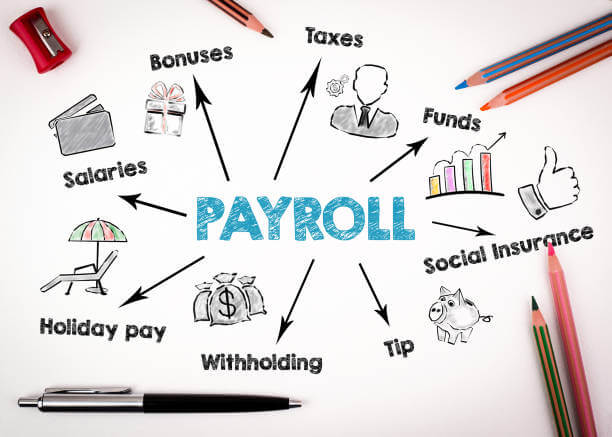
Payroll management encompasses all tasks involved in compensating employees for their work. This includes:
- Calculating wages, salaries, bonuses, and commissions.
- Deducting appropriate taxes (federal, state, local) and other withholdings (benefits, retirement contributions).
- Distributing paychecks or direct deposits.
- Filing payroll taxes and related reports with government agencies.
- Maintaining accurate payroll records for each employee.
Its importance stems from:
- Financial Accuracy: Directly impacts your cash flow and financial statements.
- Legal Compliance: Adherence to complex tax laws, labor laws, and industry-specific regulations.
- Employee Morale: Timely and accurate payments are fundamental to employee satisfaction and trust.
- Risk Mitigation: Reduces the risk of fines, audits, and legal challenges.
Why is Improving Payroll Management Crucial for Your Business?
Streamlining your payroll management offers several tangible benefits that contribute to overall business success:
- Cost Reduction: Minimizes errors, late payment penalties, and the time spent on manual processes.
- Increased Efficiency: Frees up staff from repetitive tasks, allowing them to focus on more strategic activities.
- Enhanced Compliance: Keeps your business current with ever-changing tax laws and labor regulations, avoiding legal issues.
- Better Data Accuracy: Provides reliable data for financial reporting, budgeting, and business analysis.
- Improved Employee Experience: Ensures employees are paid correctly and on time, fostering a positive work environment.
- Data Security: Protects sensitive employee financial information through robust systems and procedures.
Who is Responsible for Payroll Management?
The responsibility for payroll management can vary depending on the business size and structure:
- Small Businesses: Often handled by the owner, an office manager, or a dedicated bookkeeper.
- Medium to Large Businesses: Typically managed by a dedicated payroll department, HR, or finance department staff.
- Outsourced Services: Many businesses opt to outsource payroll to specialized providers to ensure accuracy and compliance.
- Hybrid Models: A combination where internal staff manage data entry, and an external service handles processing and tax filings.
When Should You Review and Improve Your Payroll Processes?
Regular review is key, but certain triggers highlight the need for immediate improvement:
- Annual Review: A standard practice to assess efficiency, identify bottlenecks, and update procedures.
- Business Growth: As your employee count increases, manual processes become unsustainable and prone to error.
- Regulatory Changes: New tax laws or labor regulations necessitate adjustments to payroll procedures.
- Frequent Errors: Consistent mistakes in paychecks, deductions, or tax filings are a clear sign of systemic issues.
- Increased Administrative Burden: If payroll tasks consume excessive time and resources.
- Technology Upgrades: Implementation of new payroll software or HR systems presents an opportunity for optimization.
Where Can Payroll Improvements Have the Biggest Impact?
Improvements in payroll management can create ripple effects across various aspects of your business:
- Financial Department: Leads to more accurate budgeting, forecasting, and financial reporting.
- Human Resources: Enhances employee onboarding, offboarding, and benefits administration processes.
- Legal & Compliance: Reduces the risk of legal challenges, fines, and penalties from regulatory bodies.
- Employee Relations: Directly contributes to higher employee satisfaction and retention.
- Operational Efficiency: Frees up resources that were previously tied up in manual payroll tasks.
- Data Security: Reinforces the protection of sensitive personal and financial data.
How to Improve Payroll Management: Automate Your Payroll Processes
Transitioning from manual to automated payroll systems is one of the most impactful improvements a business can make.
- Implement Payroll Software: Utilize modern payroll software that automates calculations, tax deductions, and direct deposits.
- Integrate with Time Tracking: Connect your payroll system with automated time and attendance solutions to capture accurate work hours.
- Employee Self-Service Portals: Allow employees to access their pay stubs, update personal information, and manage benefits through a portal, reducing administrative queries.
- Automated Tax Filings: Many payroll systems automatically calculate, withhold, and remit payroll taxes to the appropriate authorities.
How to Improve Payroll Management: Standardize Payroll Data and Procedures
Consistency in data collection and processing is vital for accuracy and efficiency.
- Create Clear Policies: Document clear, written policies and procedures for every payroll-related task, from onboarding to terminations.
- Standardized Forms: Use uniform forms for employee data collection, changes in status, and time-off requests to ensure all necessary information is captured.
- Regular Data Audits: Periodically review employee data for accuracy and completeness, correcting discrepancies proactively.
- Centralized Data Storage: Maintain all payroll-related documents and data in a secure, easily accessible, and centralized system.
How to Improve Payroll Management: Prioritize Regulatory Compliance in Payroll
Staying compliant with ever-evolving laws is non-negotiable for any business.
- Stay Informed: Regularly monitor changes in federal, state, and local tax laws, minimum wage requirements, and labor legislation.
- Utilize Compliance Features: Leverage payroll software features designed to automatically update with new tax rates and regulatory changes.
- Consult Legal Experts: When in doubt about specific regulations or complex scenarios, seek advice from legal professionals specializing in employment law.
- Maintain Accurate Records: Keep meticulous records of payroll, tax filings, and employee information for the legally required duration, facilitating any potential audits.
How to Improve Payroll Management: Implement Robust Payroll Internal Controls
Internal controls are crucial for preventing errors, fraud, and ensuring data integrity.
- Segregation of Duties: Ensure that different individuals are responsible for tasks like time approval, payroll processing, and paycheck distribution to prevent conflicts of interest.
- Review and Approval Processes: Establish clear review and approval steps for all payroll changes, including new hires, raises, and terminations.
- Regular Reconciliations: Periodically reconcile payroll accounts with bank statements and general ledger entries to catch discrepancies early.
- Access Controls: Restrict access to payroll systems and sensitive data to only authorized personnel, using strong passwords and multi-factor authentication.
How to Improve Payroll Management: Invest in Continuous Payroll Team Training
A knowledgeable and well-trained payroll team is your best defense against errors and inefficiencies.
- Ongoing Education: Provide regular training on new software features, changes in tax laws, and best practices in payroll processing.
- Cross-Training: Train multiple team members on different aspects of payroll to ensure continuity during absences and reduce reliance on a single individual.
- Resource Access: Equip your team with access to reputable industry resources, guides, and professional networks.
- Performance Reviews: Conduct regular performance reviews focusing on accuracy, compliance, and efficiency in payroll tasks.
How to Improve Payroll Management: Seek Expert Payroll Management Guidance
Sometimes, an outside perspective or specialized knowledge is necessary to achieve optimal payroll management.
- Outsourcing Payroll: For many businesses, particularly small to medium-sized ones, completely outsourcing payroll can be more cost-effective and compliant.
- Consulting Services: Engage consultants to audit your current payroll processes, identify weaknesses, and recommend tailored improvements.
- Specialized Support: For businesses seeking specialized support, consulting with experienced professionals like Actium Partners business accountants can provide valuable insights. They can assist with setting up efficient systems, ensuring compliance, and offering strategic advice tailored to your specific needs, helping you streamline your payroll management. They focus on providing practical accounting support and clarity for your financial operations.