

Building and maintaining a loyal online following is crucial for any successful digital venture. It’s not enough to simply attract visitors; the real challenge lies in fostering sustained engagement and guiding them through a meaningful journey. This process, known as web audience nurturing, involves a series of deliberate interactions designed to build relationships, provide value, and move individuals closer to becoming loyal customers or advocates. It’s about understanding their needs, anticipating their questions, and delivering relevant information at every stage of their interaction with your online presence.
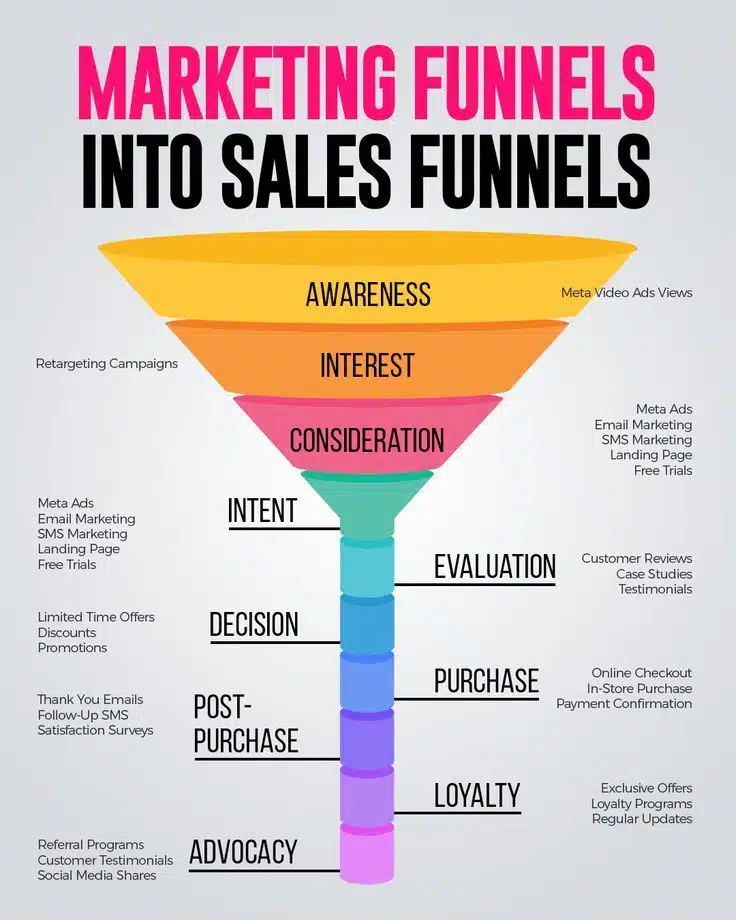
Overview
- Web audience nurturing focuses on building long-term relationships with visitors and leads, moving beyond initial interactions.
- Successful nurturing begins with a deep understanding of your audience, including their demographics, interests, and pain points.
- Audience segmentation is critical for delivering highly relevant and personalized content to different groups.
- Utilizing a multi-channel content strategy ensures you reach your audience where they are most active and receptive.
- Marketing automation tools are instrumental in scaling personalized communication and consistent follow-ups.
- Regular analysis of performance metrics allows for continuous optimization and improvement of nurturing campaigns.
- Providing consistent value, answering common inquiries, and establishing trust are hallmarks of effective nurturing.
Understanding the Fundamentals of Web Audience Nurturing
At its heart, web audience nurturing is about cultivation. It’s the art and science of guiding potential customers or loyal followers through their journey with your brand, from their very first visit to becoming repeat customers or advocates. This isn’t a one-time effort but an ongoing conversation. For many businesses, particularly in competitive markets like the US, merely having an online presence isn’t enough; you need to actively engage and add value to keep people interested. People often ask, “Why bother with nurturing if I’m already getting traffic?” The answer lies in conversion rates, customer lifetime value, and brand loyalty. A nurtured audience is more likely to trust you, purchase from you, and recommend you to others. It’s about moving individuals from being anonymous visitors to recognized community members or clients.
Core Strategies for Successful Web Audience Nurturing
Succeeding in web audience nurturing requires a methodical approach, blending insightful audience understanding with strategic content delivery and smart technology use. It’s about creating a relevant and timely experience for each individual as they interact with your digital assets.
Segmenting Your Audience for Targeted Web Audience Nurturing
One of the most critical steps in successful web audience nurturing is understanding that your audience is not a monolith. Different visitors have different needs, interests, and stages in their journey. Effective segmentation involves dividing your audience into smaller, distinct groups based on various criteria such as demographics, behavioral data (pages visited, downloads, previous purchases), referral source, or expressed interests. For instance, a first-time visitor to a blog post about “eco-friendly living” might be interested in different content than someone who has already downloaded an e-book on “sustainable gardening techniques” and made a purchase of organic seeds. By segmenting, you can tailor your messaging and content, ensuring that what you send is highly relevant, valuable, and timely for each specific group. This avoids generic communication, which often leads to disengagement.
Developing Multi-Channel Content for Web Audience Nurturing
To effectively nurture your web audience, you need to reach them where they are and with the content formats they prefer. A multi-channel strategy is vital for web audience nurturing. This means not relying solely on email, but also incorporating social media posts, webinars, video tutorials, podcasts, case studies, interactive tools, and blog articles. Each channel serves a unique purpose and appeals to different preferences. For example, short, engaging social media snippets can capture initial interest, while a detailed webinar might educate deeply on a complex topic. Email marketing remains powerful for personalized follow-ups and direct calls to action. The key is to create a cohesive content experience across all channels, ensuring that each piece of content contributes to guiding the audience forward, offering solutions to their problems, and reinforcing your brand’s expertise and value. Consistency in brand voice and message across these platforms is also paramount.
Automating Personalization in Web Audience Nurturing
Personalization is no longer a luxury; it’s an expectation in successful web audience nurturing. Addressing a visitor by their name is a start, but true personalization goes much deeper. It means delivering content, offers, and interactions that are specifically tailored to an individual’s past behaviors, expressed interests, and current stage in their journey. Marketing automation platforms play a pivotal role here. These tools can track user interactions, segment audiences dynamically, and trigger automated sequences of personalized messages based on predefined rules. For instance, if a user views a product page multiple times but doesn’t purchase, an automated email could be sent offering a relevant resource or a limited-time incentive. This level of automation ensures that your web audience nurturing efforts are scalable and efficient, providing relevant touchpoints without requiring manual intervention for every single interaction. It allows you to maintain a consistent, personalized dialogue with a large audience.
Analyzing Performance to Optimize Web Audience Nurturing
The journey of web audience nurturing is iterative, meaning it continually evolves based on performance. It’s essential to regularly analyze the results of your nurturing campaigns to understand what’s working and what isn’t. Key metrics to track include open rates, click-through rates, conversion rates, time spent on page, engagement rates on social media, and ultimately, customer acquisition cost and customer lifetime value. Tools like Google Analytics, marketing automation dashboards, and CRM systems provide valuable data. By examining this data, you can identify bottlenecks in your nurturing funnels, pinpoint underperforming content, and understand which channels yield the best results for specific audience segments. For example, if a particular email series has a low click-through rate, you might experiment with different subject lines, calls to action, or even the content itself. This data-driven approach allows you to continuously refine and improve your web audience nurturing strategies, ensuring maximum effectiveness and a strong return on your efforts.